
Offset printing
Offset is the press method behind most commercial print. It costs more to set up than digital and far less to run, which is why it takes over as soon as quantities become serious.
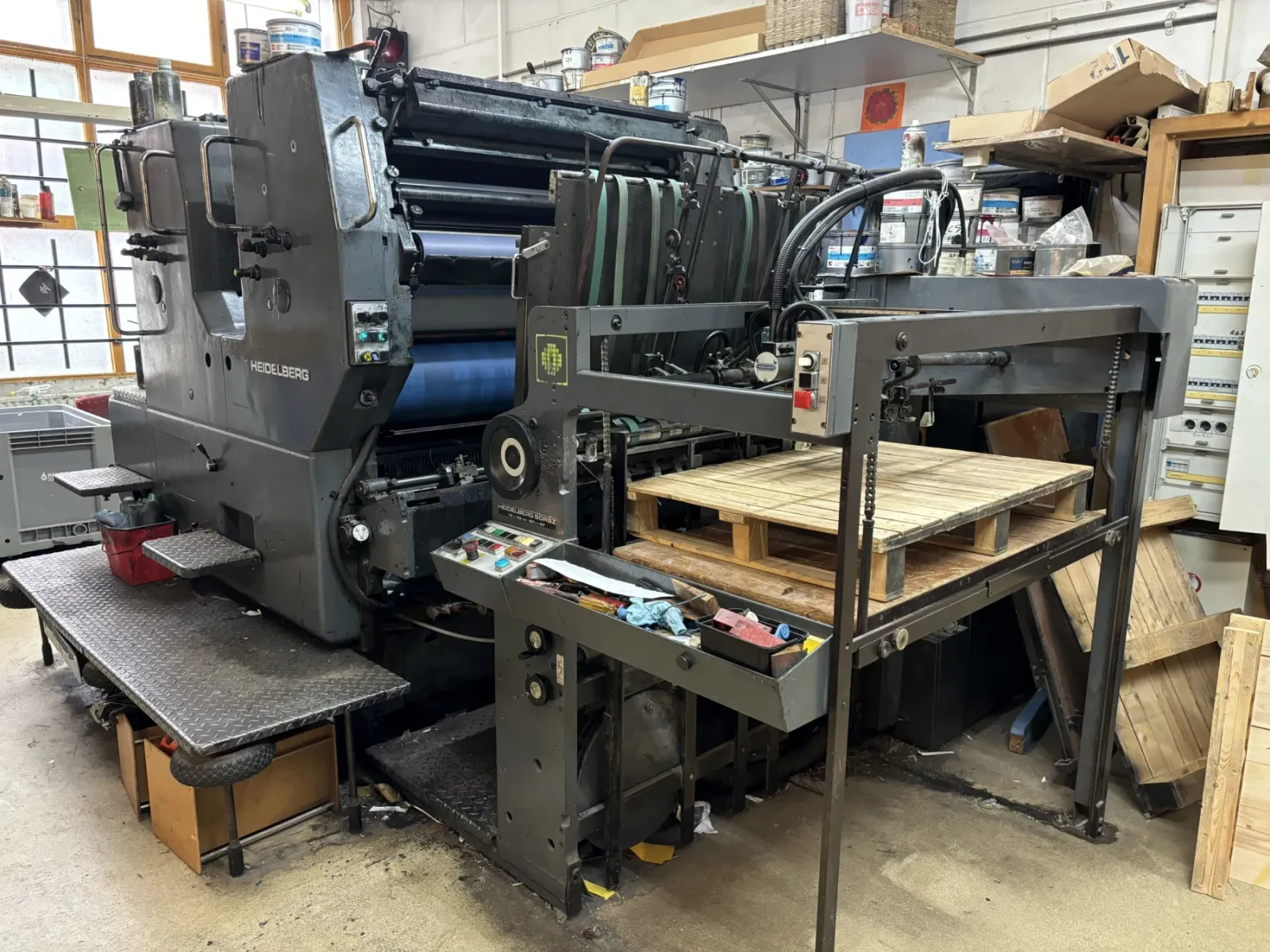
How offset printing works
Artwork is separated onto printing plates — normally four, carrying cyan, magenta, yellow and black. Each plate is inked, the image is transferred onto a rubber blanket, and the blanket lays the ink onto the sheet. Printing off the blanket rather than directly from the plate is where the name comes from, and it is the reason offset sits down cleanly on textured and uncoated stocks that other methods struggle with.
When offset is the right method
Plates and make-ready take time before the first good sheet comes off the press, and that cost is fixed. It dominates a run of fifty and all but disappears across five thousand. So the question is rarely which method is better — it is where the quantity sits.
The second reason is consistency. Once ink density is set, the last sheet matches the first. If a brand colour has to look the same on a catalogue cover, a product label and a printed carton, offset is the method that holds it there.
What we print offset
- Brochures, folders, company profiles and stitched catalogues
- Business cards, letterheads, compliment slips and envelopes
- Product labels and promotional stickers
- Printed cartons and packaging
- Booklets, flyers, posters and promotional print
Stock, and why it matters more than people expect
The paper or board carries as much of the result as the ink. A coated sheet holds detail and keeps colours dense; an uncoated sheet absorbs more ink, softens the image slightly and feels warmer in the hand. Board weight decides whether a cover holds its shape or curls, and whether a carton stands up to being packed.
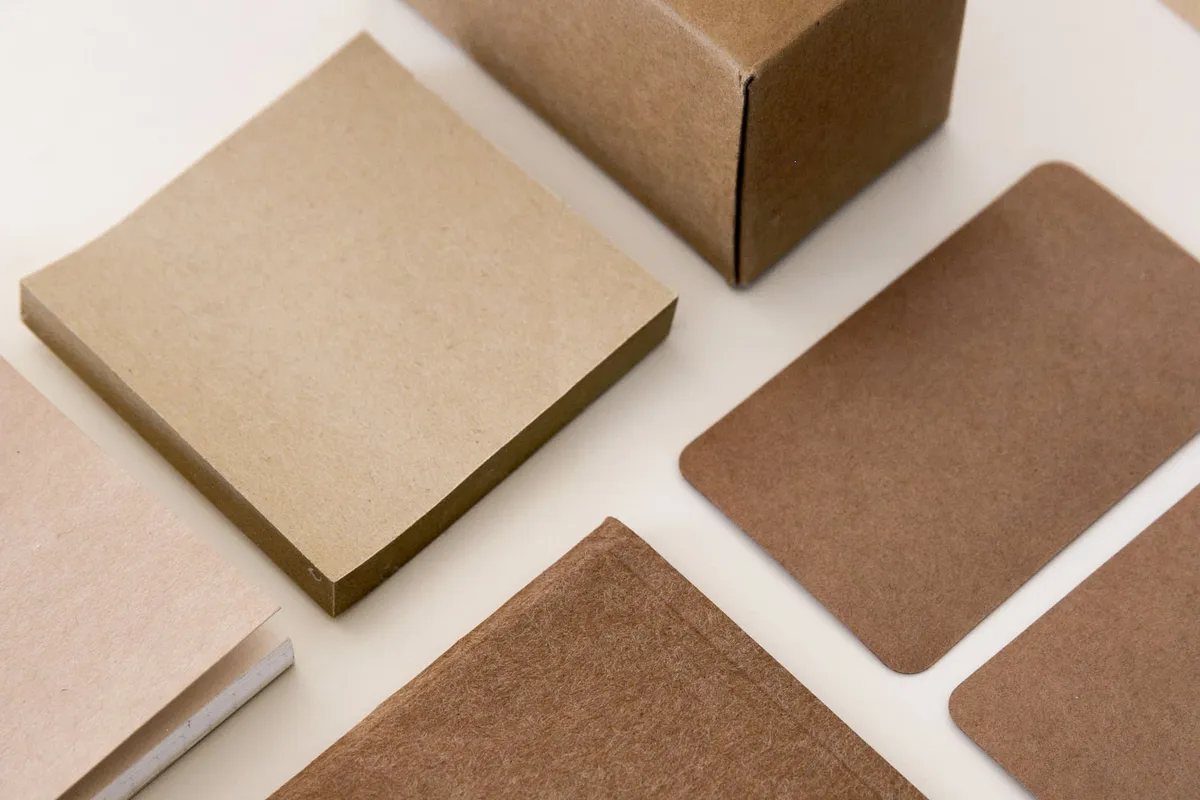
You do not need to arrive with a stock in mind. Tell us what the piece is for, how it will be handled and how long it needs to last, and we will put a stock against it before quoting.
Stocks held locally, and stocks that come in
Not every paper and board sits in Colombo waiting. A good part of what runs here is held locally and can be quoted and printed against the press schedule. Specialist coated boards, heavier uncoated stocks and unusual surfaces are imported, and a job specified around one of those is quoted against its arrival instead. Say early if the date is fixed rather than flexible — there is often a locally held stock that behaves close enough for the purpose, and choosing it at the quotation stage costs nothing, where finding out later means re-planning the job around it.
Finishing after the press
Most offset work goes on to at least one finishing process. Lamination protects the printed surface and sets its gloss level. Spot UV and foiling add contrast to selected areas. Die cutting takes the sheet to a shape. All of it is handled in-house, and all of it needs to be decided before the sheet is laid out — not after it has been printed.
What to send for an offset printing quote
- What the product is, and its finished size
- Quantity — plus an alternative quantity if you want to compare
- Printed one side or both sides, or the page count for a booklet
- Any stock preference, or a description of how the piece will be used
- Finishing required: lamination, Spot UV, foiling, die cutting
- The date you need it by
Common questions
What is the difference between offset and digital printing?
Offset uses printing plates and a press, so there is a fixed set-up cost before the first good sheet. Digital prints straight from the file with almost no set-up. That makes digital cheaper for very small quantities and offset cheaper — and more consistent — as the run grows.
Do you need finished artwork before you can quote?
No. A quotation is based on the specification: size, quantity, extent, stock and finishing. Artwork is needed before production, not before pricing.
Can you match a specific brand colour?
Tell us the Pantone reference, or send a printed sample of the colour you need to match. We will confirm how it will be produced and what to expect on the stock you have chosen, since the same ink reads differently on coated and uncoated paper.
Why does the price per copy fall so much on larger runs?
Plates and make-ready are charged once, whatever the quantity. On a short run that cost is spread over a few hundred copies; on a long run it is spread over thousands, so the price per copy drops sharply as the quantity rises.
Planning a print job?
Send the product, quantity, size and finish you have in mind and we will price it. If the specification is not settled yet, describe what you are producing and we will work back to the stock, print method and finishing that suit it.
- Call
- +94 76 620 0995
- Not sure what to specify?
- Use the specification helper