
Packaging
Custom box printing & packaging
A box has two jobs: hold the product properly and present it. Both are decided on the flat sheet, long before anything is folded.
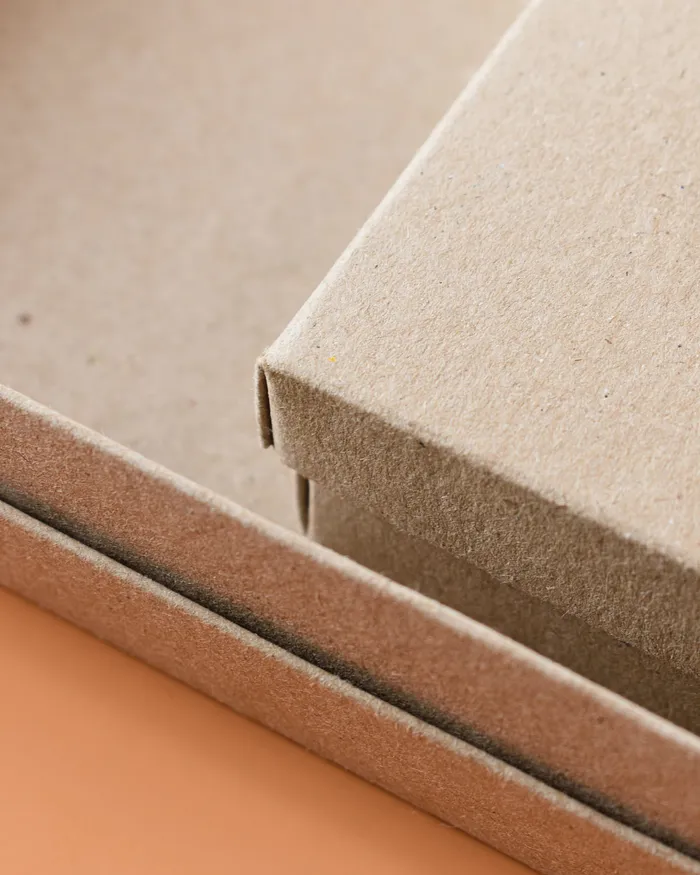
At a glance
- Structures
- Tuck-end cartons, lid-and-base boxes, sleeves and wraps, mailer-style boxes, and one-off structures drawn from the product. Windows, slots and inserts cut in the same operation.
- Board
- Folding box board and heavier boards chosen for the weight the box carries and how it is stored; specified with the quotation rather than assumed.
- Offset, full colour, outside only or inside as well. Brand colours set once across cartons, labels and literature produced together.
- Finish
- Matt or gloss lamination as the baseline; Spot UV, foil and windows planned into the flat sheet before it is cut.
- To quote
- Internal dimensions or the product itself, the type of box or a photo of something similar, quantity and expected repeats, printed inside or outside, finishing, and whether labels or leaflets are produced at the same time.
What we produce
- Printed cartons and product boxes
- Custom structures die cut to shape, including windows and inserts
- Retail and gift packaging
- Sleeves, wraps and printed outers
- Packaging produced alongside matching labels and literature
Structure before graphics
Packaging starts with the product, not the artwork. The internal dimensions, the weight it has to carry and how it will be packed decide the board and the structure. Only once that is settled does the flat layout — the dieline — get drawn, and only then does artwork go on top of it.
Doing it the other way round is the most common and most expensive mistake in packaging: a design laid out at the wrong proportions has to be redrawn once the real dieline appears, and elements that looked deliberate end up sitting across a fold.
Cutting to shape
Every carton is cut with a steel rule forme made to its outline — the cuts around the edge, the creases that let it fold square, the tabs that glue. Windows, hanging holes and slots are cut in the same operation. The forme is a one-off cost that can be reused, so a structure you expect to reorder is worth getting right at the start.
Finishing that survives handling
Packaging takes more abuse than any other printed item. Lamination is the baseline: it stops the print scuffing in transit and stiffens the board slightly. A matt laminate also gives Spot UV something to contrast against, which is why the combination appears so often on retail cartons.
Foiling works on packaging for the same reason it works on covers — it does something ink cannot. On a carton it is normally kept to the brand mark or a band of the design rather than spread across the panel.
Board strength in local storage
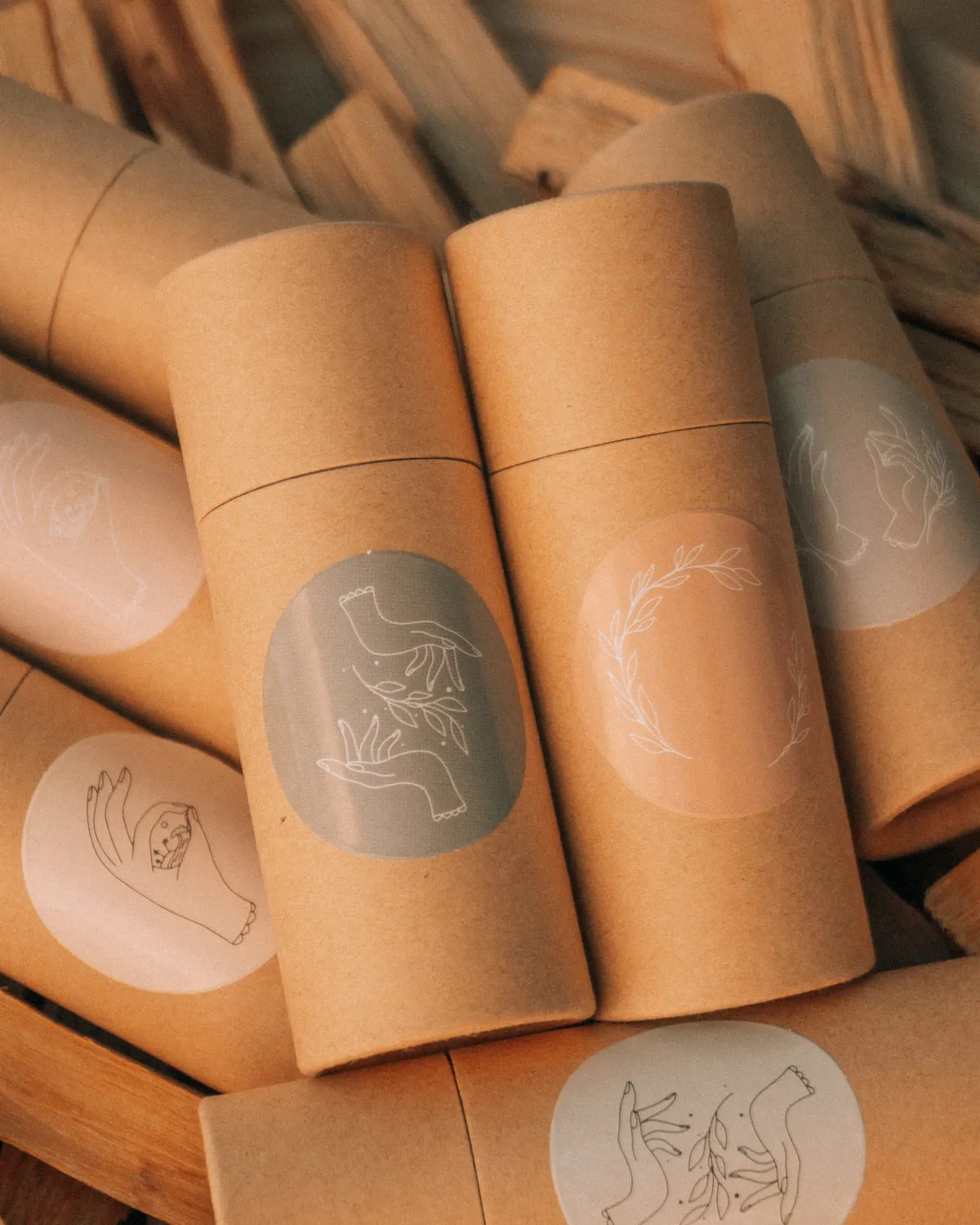
Board does not behave in a humid warehouse the way it does on a specification sheet. Cartons stacked in unconditioned storage in Sri Lanka take up moisture, and a box that held its shape on the day it was packed can bow under the weight of the ones above it several weeks later. The answer is at the specification stage rather than afterwards — a heavier or better-lined board where boxes are stacked deep, and lamination, which stiffens the panel and slows moisture reaching it. Tell us how the packed boxes are stored and moved, not only what goes inside one.
Cartons that leave the country face a longer version of the same problem, on top of having to carry a second language on the pack. Both are covered in export packaging and labelling.
Artwork for packaging
- Supply artwork on the dieline, at actual size, with the dieline on its own layer
- Keep text and logos clear of creases, cuts and glue areas
- Extend background colour and images past the cut line so nothing shows white at the edge
- Mark clearly where foil or Spot UV should fall, as a separate layer
If your artwork is not set up this way, our designers can prepare it here rather than sending it back to you.
What to include in your enquiry
- Internal dimensions, or the product the box has to fit
- The type of box, or a photo of something similar
- Quantity, and any repeat order you expect
- Printed outside only, or inside as well
- Finishing: lamination, Spot UV, foiling, windows
- Whether labels or literature are being produced at the same time
Indicative timing
How long a job like this takes
A first run of printed folding cartons or boxes with a new structure.
Before production approval
These run alongside each other and depend on how quickly proofs come back. The production estimate below starts once they are approved.
- Artwork and proofing1–3 working days
Per proof round, from when we have your content. Depends on how quickly proofs come back to us.
- Structure, dieline and sample2–5 working days
Working out the dieline from your dimensions and, where needed, a blank sample to check the fit. Runs alongside artwork proofing.
After approval — production
Counted in working days from approval of the final artwork or specification and any payment the quotation asks for.
- Printing, finishing and cutting10–15 working days
Two to three working weeks. Includes making the cutting forme. Repeat orders that reuse the forme are shorter.
Then
- Collection or deliveryConfirmed with the quotation
Arranged when the job is quoted. Tell us at the enquiry stage how you would like to receive it.
Planning guide, not a promise. Typical ranges for a first order. The "before approval" stages are not added to the production estimate as a fixed sum — they overlap, and their length depends on the approvals — so a whole job is usually the production range plus however long proofing takes. The confirmed schedule for your job comes with the quotation.
What moves it:
- Board specification and whether it is held locally or imported.
- Lamination, Spot UV or foil, which are applied to the flat sheet and must cure before cutting and folding.
- Windows, inserts and gluing add operations.
- Quantity, paper or board availability (imported stocks are quoted against their arrival), and the finishing specified.
- Current workload, and Poya and public holidays.
- How quickly proofs, dielines and samples are approved — the "before approval" stages are in your hands as much as ours.
Common questions
How long does custom packaging take to produce?
As a planning guide: before approval, two to five working days to settle the dieline and, where needed, a blank sample, running alongside artwork proofing. After approval, roughly ten to fifteen working days — two to three working weeks — for printing, finishing, forme making and cutting on a first run. Repeat orders that reuse the forme are quicker. The confirmed schedule comes with the quotation; the indicative timeline on this page sets out the stages.
What do you need to quote a printed box?
The internal dimensions the box has to hold, the type of box, the quantity, and whether it is printed on the outside only or inside as well. If you already have a sample, that answers most of it — a flattened existing box is the fastest brief you can give us.
What is a dieline, and do I need one?
A dieline is the flat outline of the box: every cut, fold and glue tab drawn at actual size. Artwork is laid out on top of it so nothing important lands on a fold or gets trimmed off. If you do not have one, we work it out from the dimensions before artwork starts.
Can foiling and Spot UV be used on packaging?
Yes, and packaging is where they earn their place, because the box is handled before the product is. Both are applied to the printed sheet before it is cut and folded, so they need to be planned into the layout rather than added at the end.
Can you match the packaging to labels and printed literature?
That is the usual reason to produce them together. Printing a carton, its label and the accompanying leaflet as one job means the brand colour is set once and the same finishes can run across all of it.
Planning a print job?
Send the product, quantity, size and finish you have in mind and we will price it. If the specification is not settled yet, describe what you are producing and we will work back to the stock, print method and finishing that suit it.
- Call
- +94 76 620 0995
- Not sure what to specify?
- Use the specification helper