
Label & sticker printing
A label is the part of the packaging that gets handled, so it is judged on whether it still looks right after a week on a shelf — not on how it looked coming off the press.
At a glance
- Formats
- Rectangular labels cut from the sheet; round, oval and outline shapes from a custom forme; sheets of mixed designs; individual pieces.
- Full colour offset for volume runs; digital for short runs and sets with many designs. Brand colours matched to a Pantone reference or a printed sample.
- Finish
- Unlaminated, matt or gloss lamination; Spot UV or foil on the brand element for premium goods.
- Languages
- English, Sinhala, Tamil and Arabic typeset and proofread here — not placed from a supplied image.
- To quote
- Size and shape, quantity, number of designs, what the label goes on and the conditions it faces, sheets or pieces, finish. Indicative timings are below.
What we produce
- Product labels for food, retail and industrial goods
- Promotional and campaign stickers
- Cut-to-shape labels using a custom die
- Sheet and sticker sets
- Seals, tags and pack inserts
Start with where it goes
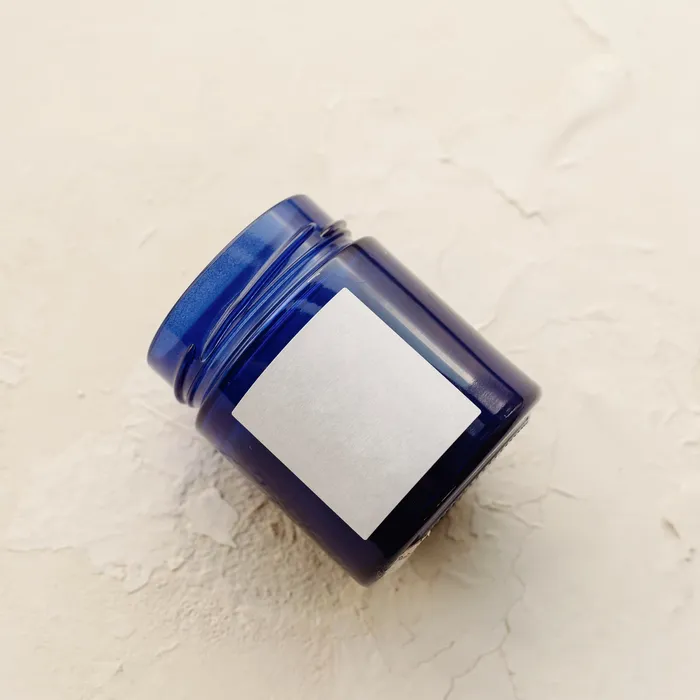
The first question on a label is not the design — it is the surface it will be applied to, and what happens to it afterwards. A label going onto a glass jar that gets wiped down behaves differently from one going onto a corrugated outer that gets stacked. Tell us the container, the contents and the conditions, and the material choice follows from that.
Humidity and cold storage
In Sri Lanka the climate is part of the specification rather than an afterthought. A label that sits perfectly in an air-conditioned showroom can lift at the edges after a month in an unconditioned store room, and anything going into chilled or frozen storage has to adhere to a surface that may already be damp when the label is applied. Both are material and adhesive questions rather than printing ones. Tell us where the product is stored and how it travels, and the stock is matched to that at the quotation stage instead of being discovered on the second print run.
Shape and cut
Rectangular labels cut straight from the sheet. Anything else — rounded corners, an outline following the logo, a die-cut window — needs a cutting forme made to that shape. Once the forme exists it can be reused for repeat orders, so a shape you expect to reprint is worth committing to properly the first time.
Finish
Lamination is the usual protection: gloss keeps colours bright on product photography, matt reduces glare and gives a more restrained surface. On premium goods Spot UV or foil on the brand element lifts it clear of the rest of the label without changing the layout.
Labels alongside packaging
If the label and the carton are being produced together, print them together. The brand colour is set once, the same finish can run across both, and there is one specification rather than two that have to be reconciled later.
Labels for export markets
Product labels leaving Sri Lanka often have to carry a second language, and for Middle East markets that usually means Arabic. We typeset and proofread Arabic, Sinhala and Tamil in-house rather than placing supplied artwork and trusting that it is right — which matters more on a label than almost anywhere else, because a label found to be wrong has to be reprinted and reapplied to stock that is already packed.
Arabic reads right to left, so it does not drop into the space the English occupied. Panel order, alignment and the position of mandatory pack information all move with it, and that is a decision taken before the label is laid out. Send the full label text in every language it has to carry at the start, along with anything the destination market requires to appear on the pack.
Where the labels are one part of a wider shipment — cartons, inserts and printed outers as well — export packaging and labelling covers how the set is specified together.
Checking colour before the run
The workshop is on Grandpass Road in Colombo 14. Where a label carries a brand colour that has to match something already in circulation, it is worth looking at a printed sheet under ordinary light before the full quantity runs. Screens overstate saturation, and a colour that reads correctly on a monitor can sit noticeably flatter under matt lamination.
What to include in your enquiry
- Finished label size, and the shape if it is not rectangular
- Quantity, and how many different designs are in the set
- What the label is applied to, and the conditions it faces
- Whether it is supplied on sheets or as individual pieces
- Lamination or other finishing
Indicative timing
How long a job like this takes
Product labels or promotional stickers, laminated where specified.
Before production approval
These run alongside each other and depend on how quickly proofs come back. The production estimate below starts once they are approved.
- Artwork and proofing1–3 working days
Per proof round, from when we have your content. Depends on how quickly proofs come back to us.
After approval — production
Counted in working days from approval of the final artwork or specification and any payment the quotation asks for.
- Printing and finishing3–7 working days
Rectangular labels on sheets at the lower end.
- Cut-to-shape (new forme)2–5 working days
Added when a new cutting forme is made. Repeat orders of the same shape reuse it.
Then
- Collection or deliveryConfirmed with the quotation
Arranged when the job is quoted. Tell us at the enquiry stage how you would like to receive it.
Planning guide, not a promise. Typical ranges for a first order. The "before approval" stages are not added to the production estimate as a fixed sum — they overlap, and their length depends on the approvals — so a whole job is usually the production range plus however long proofing takes. The confirmed schedule for your job comes with the quotation.
What moves it:
- The number of designs in the set.
- Whether the adhesive or material has to be brought in for the surface or conditions described.
- Quantity, paper or board availability (imported stocks are quoted against their arrival), and the finishing specified.
- Current workload, and Poya and public holidays.
- How quickly proofs, dielines and samples are approved — the "before approval" stages are in your hands as much as ours.
Common questions
How long does label printing take?
As a planning guide, a first run of labels takes around three to seven working days after the artwork is approved, plus two to five if a new cutting forme is needed for a shape. The confirmed schedule comes with the quotation, and repeat orders of the same shape reuse the forme. The indicative timeline on this page sets out the stages.
Can you print a small quantity of labels?
Tell us the quantity and we will advise the sensible route. Short runs and sets with many designs are normally printed digitally, so there are no plates to pay for; longer runs move to offset, where the price per label falls as the quantity rises.
What is the difference between a label and a sticker?
In practice it is about where it ends up. A label carries product information and is applied at packing — it has to survive the product, not just the shelf. A sticker is usually promotional and handed out or applied by the customer. The printing is similar; the material and the finish are not.
Do labels need lamination?
Anything that will be handled, wiped, refrigerated or rubbed against other stock generally does. Lamination stops the ink scuffing and keeps the surface readable. A promotional sticker used once and discarded often does not need it.
Can labels be cut to a shape rather than a rectangle?
Yes — that is die cutting. A forme is made to the outline you want and the printed sheet is cut to it. Send the shape as a vector outline in your artwork, or describe it and we will work it out with you.
Planning a print job?
Send the product, quantity, size and finish you have in mind and we will price it. If the specification is not settled yet, describe what you are producing and we will work back to the stock, print method and finishing that suit it.
- Call
- +94 76 620 0995
- Not sure what to specify?
- Use the specification helper